
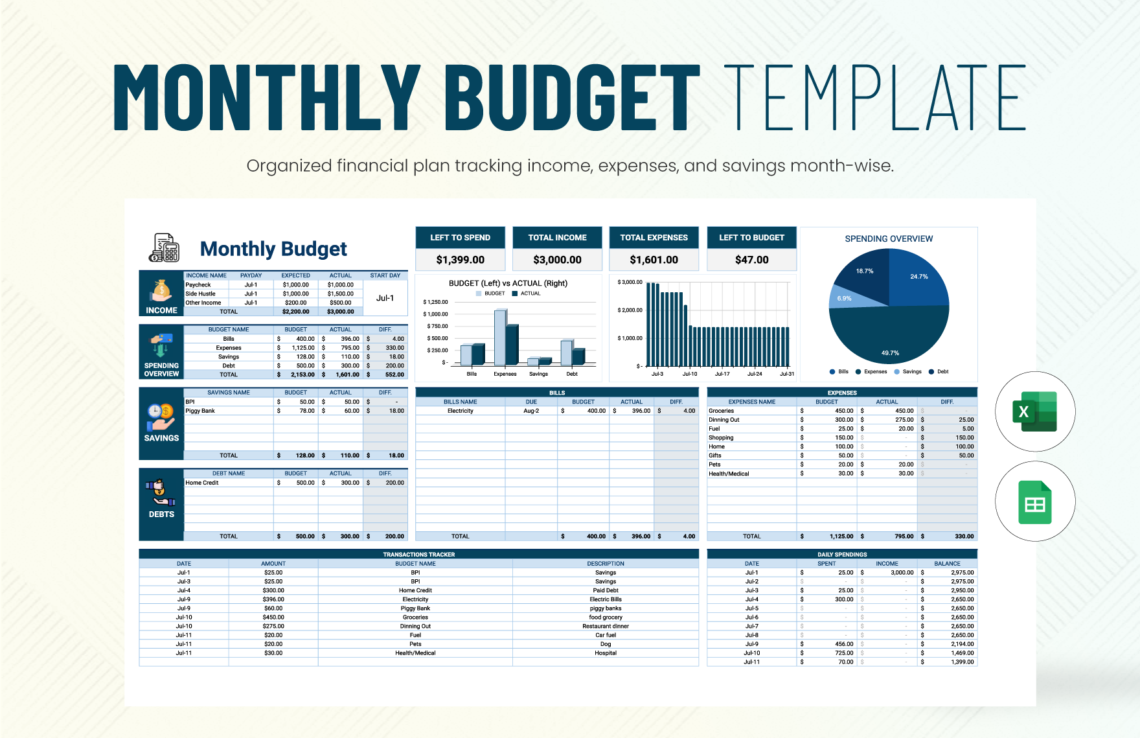
Creating a monthly budget isn’t about restricting your life—it’s about taking control of your money, reducing stress, and making sure your income works for you, not the other way around. A budget that “actually works” is realistic, flexible, and easy to follow.
Below is a step-by-step guide to building a monthly budget you can stick to.
Why Most Budgets Fail
Before creating a budget, it’s important to understand why many don’t work:
- They are too strict or unrealistic
- People forget irregular or hidden expenses
- No room is left for fun or personal spending
- Tracking is inconsistent
- Goals are unclear
A successful budget fixes these problems from the start.
Step 1: Calculate Your Total Monthly Income
Start with your actual take-home income, not your gross salary.
Include:
- Salary after taxes
- Freelance or side income
- Rental income
- Passive income (interest, dividends)
Tip: Use an average if your income changes month to month.
Step 2: Track Your Monthly Expenses
Track at least 30 days of spending to see where your money really goes.
Fixed Expenses (Mostly the Same Every Month)
- Rent or mortgage
- Utilities
- Insurance
- Internet and phone bills
- EMIs or loan payments
Variable Expenses (Change Monthly)
- Groceries
- Dining out
- Transportation
- Entertainment
- Shopping
Irregular Expenses (Often Forgotten)
- Medical bills
- Annual subscriptions
- Repairs and maintenance
- Gifts and festivals
- Travel
Tracking tools, bank statements, or budgeting apps can help here.
Step 3: Categorize Your Spending
Divide your expenses into clear categories such as:
- Housing
- Food
- Transportation
- Savings
- Debt
- Personal & lifestyle
- Entertainment
This helps identify overspending areas quickly.
Step 4: Choose a Budgeting Method
Pick a system that fits your lifestyle.
1. 50/30/20 Rule
- 50% Needs (rent, food, bills)
- 30% Wants (shopping, entertainment)
- 20% Savings & debt repayment
Best for beginners.
2. Zero-Based Budget
Every rupee/dollar has a job.
Income – Expenses = 0
Best for people who want full control.
3. Envelope Method
Cash or digital envelopes for each category.
When the envelope is empty, spending stops.
Best for overspenders.
Step 5: Set Realistic Financial Goals
Budgets work better when tied to goals.
Short-Term Goals
- Emergency fund
- Paying off credit cards
- Saving for a phone or gadget
Long-Term Goals
- Buying a house
- Retirement
- Children’s education
Clear goals create motivation to follow your budget.
Step 6: Pay Yourself First
Before spending on anything else:
- Transfer money to savings
- Invest a fixed amount
- Fund your emergency account
Treat savings like a non-negotiable bill.
Step 7: Plan for Fun and Flexibility
A budget that doesn’t allow enjoyment will fail.
- Set a guilt-free spending amount
- Allow flexibility for unexpected expenses
- Adjust categories as life changes
A working budget is flexible, not perfect.
Step 8: Review and Adjust Monthly
At the end of each month:
- Review spending vs budget
- Identify problem areas
- Adjust categories if needed
Your first budget won’t be perfect—and that’s okay.
Common Budgeting Mistakes to Avoid
- Ignoring small daily expenses
- Forgetting annual or seasonal costs
- Being too strict
- Not tracking regularly
- Giving up after one bad month
Consistency matters more than perfection.
Tools That Can Help
- Budgeting apps
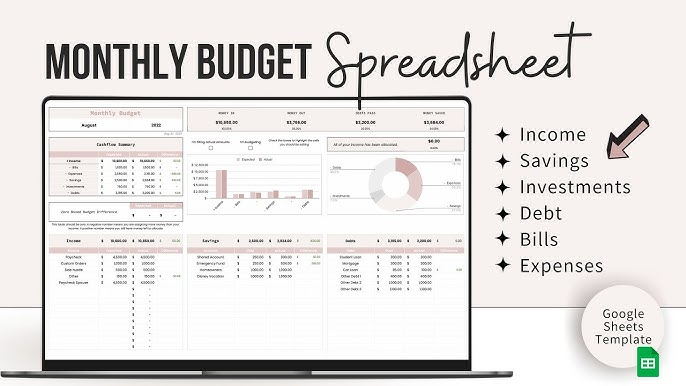
- Excel or Google Sheets
- Bank expense trackers
- Manual notebooks
Use whatever you’ll actually stick with.
Final Thoughts
A monthly budget that actually works is:
- Simple
- Realistic
- Flexible
- Goal-oriented
Once you control your budget, you control your future. Start small, stay consistent, and adjust as you grow.
#MonthlyBudget #PersonalFinance #MoneyManagement #BudgetingTips #FinancialPlanning #SavingsGoals #SmartMoney #FinanceBasics #DebtFreeJourney #Anslation #Carrerbook