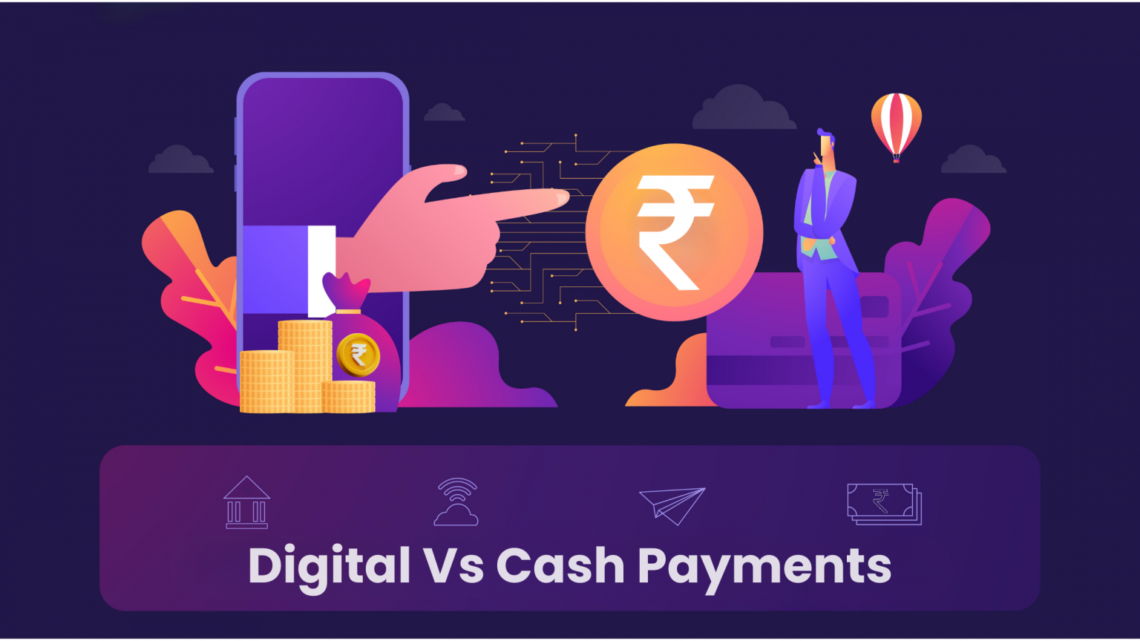
The way we handle money has changed dramatically over the past decade. From cash-filled wallets to tap-and-pay apps, the debate between cash vs digital money is more relevant than ever. While cash has been trusted for centuries, digital money is shaping the future of payments. So, which one is better today? Let’s break it down.
What Is Cash Money?

Cash refers to physical currency—notes and coins—used for everyday transactions. It is issued by governments and accepted universally.
Key Features of Cash:
- Tangible and physical
- No internet or technology required
- Instant settlement
- Widely accepted, especially in small businesses and rural areas
Pros of Cash:
- Full privacy and anonymity
- No transaction or processing fees
- Easy to control spending
- Useful during power cuts or network issues
Cons of Cash:
- Risk of theft or loss
- Not convenient for large transactions
- No transaction history or tracking
- Harder to manage and store safely
What Is Digital Money?
Digital money includes UPI, debit/credit cards, mobile wallets, online banking, and cryptocurrencies. It exists electronically and requires devices and internet access.
Key Features of Digital Money:
- Cashless and electronic
- Fast and convenient
- Trackable transaction history
- Supports automation and online shopping
Pros of Digital Money:
- Extremely convenient and fast
- Enables online and global payments
- Secure with encryption and authentication
- Easy expense tracking and budgeting
- Reduces the need to carry cash
Cons of Digital Money:
- Requires internet and devices
- Risk of cyber fraud or hacking
- Privacy concerns
- Can encourage overspending
Cash vs Digital Money: Head-to-Head Comparison
| Feature | Cash | Digital Money |
|---|---|---|
| Convenience | Medium | Very High |
| Security | Can be stolen | Encrypted but cyber risks |
| Privacy | High | Moderate to Low |
| Accessibility | Universal | Internet-dependent |
| Transaction Speed | Instant | Instant to few seconds |
| Tracking | None | Full transaction history |
| Cost | No fees | Possible transaction fees |
Which Is Better Today?
Digital Money Is Better If:
- You shop online or travel frequently
- You want quick and contactless payments
- You track expenses digitally
- You prefer convenience over cash handling
Cash Is Better If:
- You value privacy
- You live in areas with poor internet connectivity
- You want strict spending control
- You deal mostly with small, local vendors
The Reality: A Hybrid Approach Works Best

In today’s world, neither cash nor digital money is perfect on its own. Most people benefit from using both:
- Use digital money for bills, shopping, subscriptions, and travel
- Keep cash for emergencies, small purchases, and backup
This balanced approach ensures flexibility, safety, and financial control.
The Future of Money:
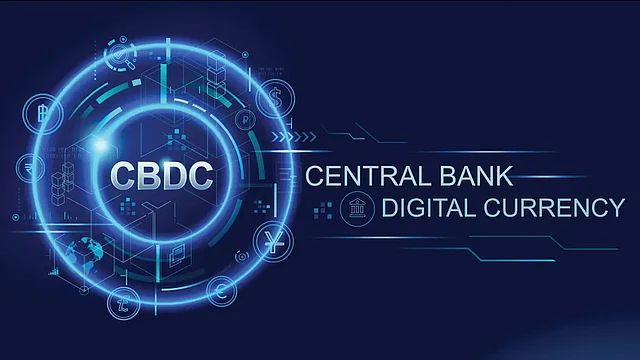
With the rise of UPI, mobile wallets, AI-driven banking, and Central Bank Digital Currencies (CBDCs), digital money is clearly the future. However, cash will continue to coexist—especially in regions where accessibility and trust in digital systems are still growing.
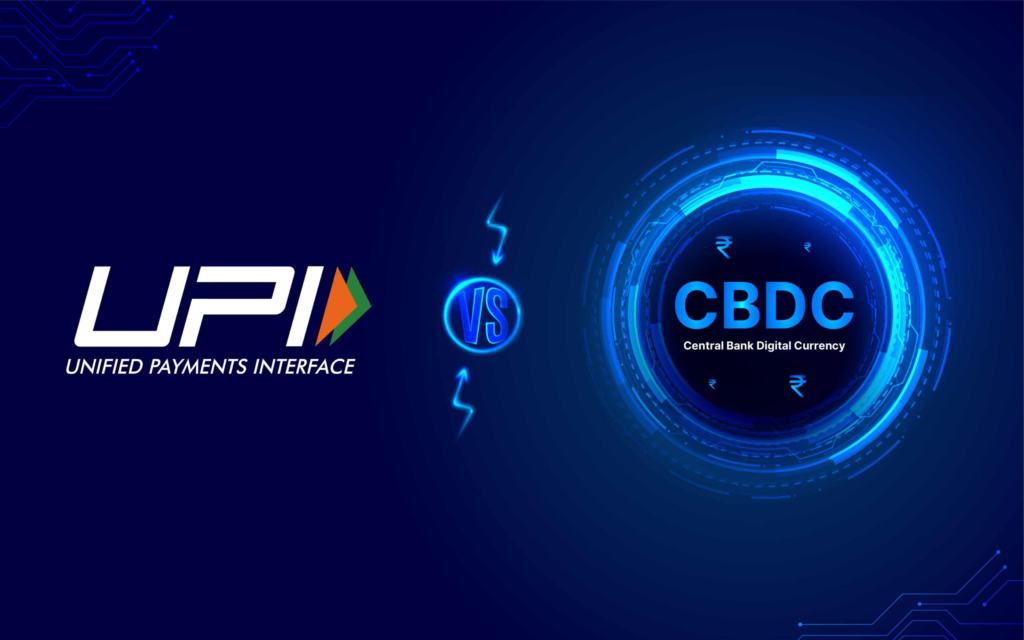
Final Verdict: Digital money wins on convenience, speed, and modern lifestyle needs, while cash remains unbeatable for privacy and reliability. The smarter choice today isn’t picking one—it’s knowing when to use each.
Disclaimer: This article is for informational purposes only and does not constitute financial advice. Always choose payment methods based on your personal needs, security awareness, and financial situation.
#CashVsDigitalMoney #CashlessPayments #DigitalMoney #PersonalFinance #MoneyManagement #FinancialTips #UPI #OnlinePayments #SmartSpending #FinanceAwareness #BankingTrends #ModernFinance #Anslation #Carrerbook