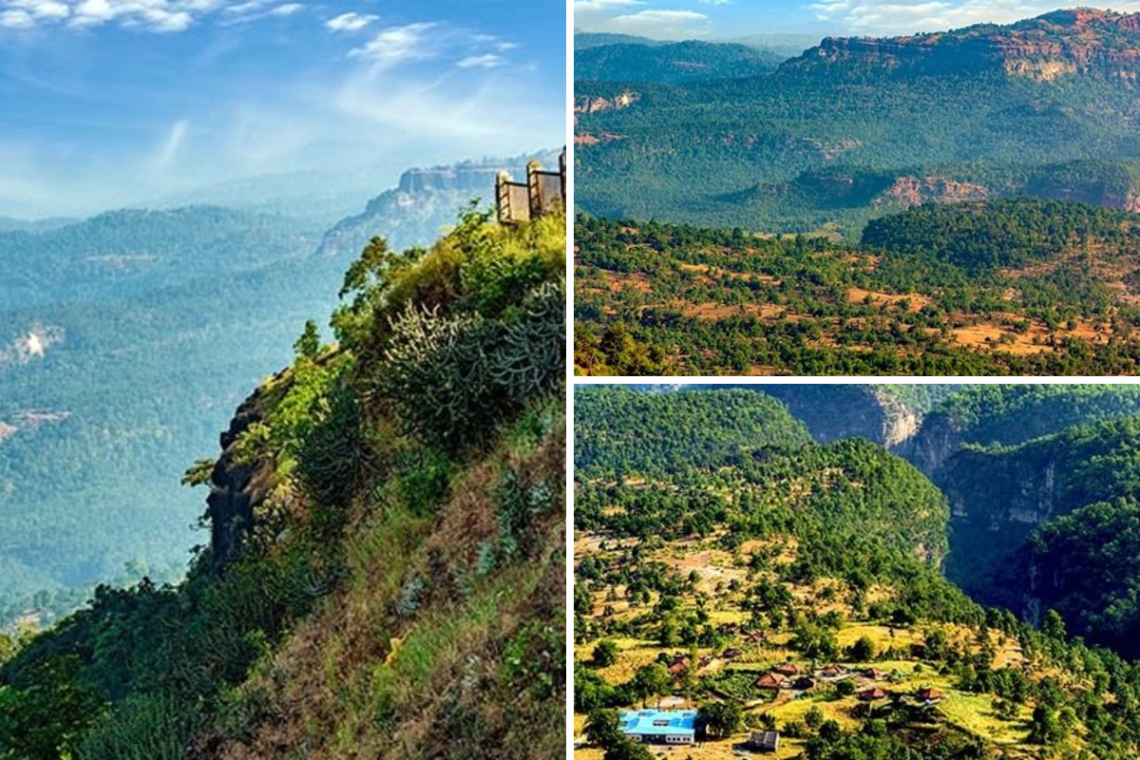
There are places you visit for famous landmarks, and then there are places that make you slow down and simply look around. Patalkot belongs to the second kind.Hidden in the Satpura landscape of Madhya Pradesh, Patalkot is a dramatic valley surrounded by forest-covered hills and rocky slopes. From above, its unusual horseshoe shape makes the landscape instantly memorable.
Down inside the valley, the experience changes completely—quiet village paths, greenery, streams, forests and communities whose traditions have developed closely alongside the surrounding environment.Located in the Tamia area of Chhindwara district, Patalkot is known for its natural beauty as well as its cultural heritage. The valley covers about 79 square kilometres and lies roughly 20–23 km from Tamia, depending on the route or reference point used.
For travellers who enjoy nature, photography, village experiences and less conventional destinations, Patalkot offers a very different side of Madhya Pradesh.
What Makes Patalkot Special?
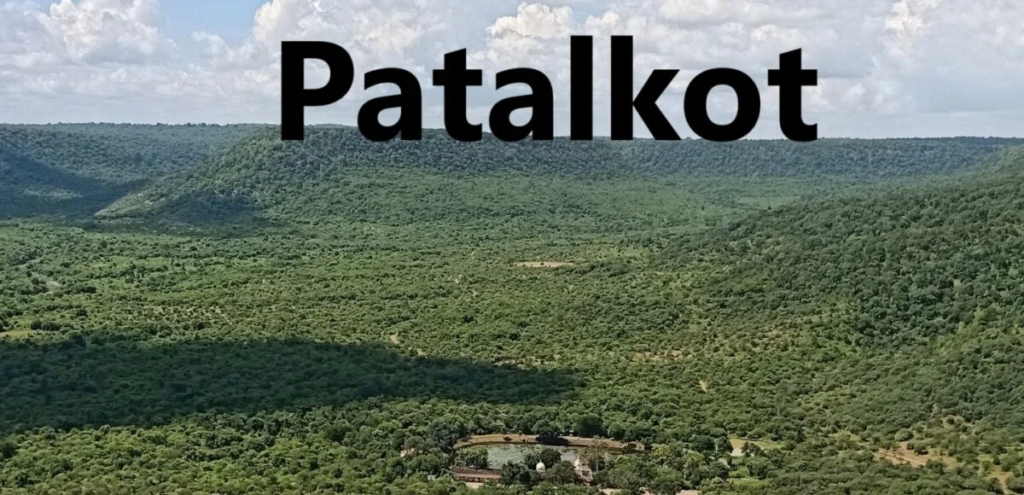
Patalkot is not simply another hill destination. Its appeal comes from the combination of geography, forests, local communities and the feeling of entering a landscape that is quite different from nearby towns.
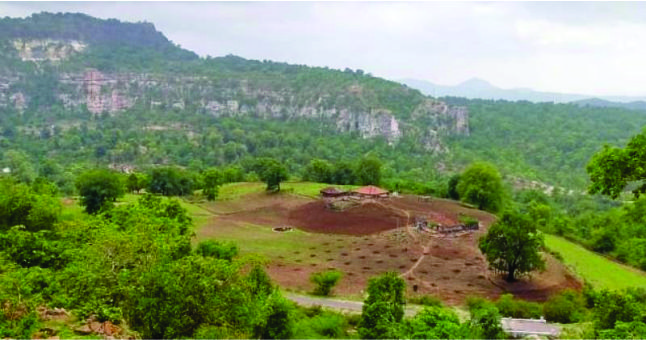
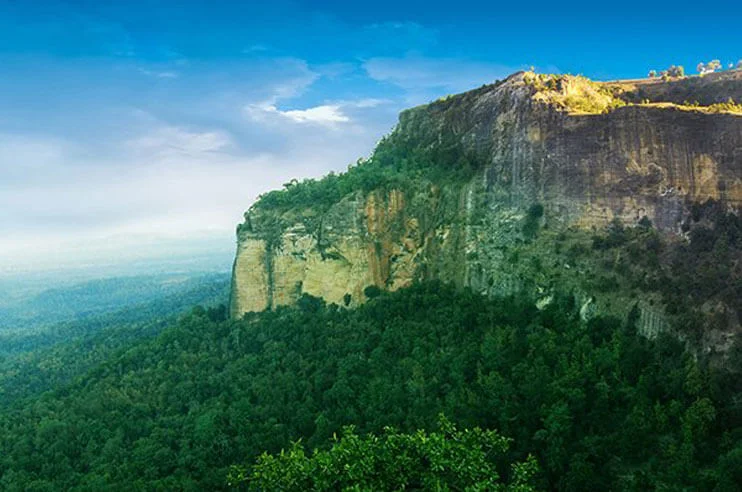
The valley sits deep below the surrounding terrain, with the district administration describing it as being around 1,200–1,500 feet below the upper valley area. Its horseshoe-like form is especially striking when viewed from higher points around Tamia.
The Doodhi River flows through the valley, while forested slopes and ancient rock formations create the natural setting. The area is also associated with medicinal plants and traditional knowledge surrounding local flora.
Patalkot at a Glance
| Feature | Details |
|---|---|
| Location | Tamia area, Chhindwara district, Madhya Pradesh |
| Landscape | Deep valley surrounded by hills and forests |
| Valley shape | Horseshoe-shaped |
| Area | Around 79 sq. km |
| Nearby town | Tamia |
| River | Doodhi/Dhudhi River |
| Communities | Bharia and Gond communities |
| Popular experiences | Nature walks, trekking, viewpoints, village experiences and photography |
| Best known for | Scenic valley, forests, culture and traditional lifestyle |
| Accommodation | Limited inside the valley; Tamia offers nearby stay options |
Explore the Natural Beauty of Patalkot
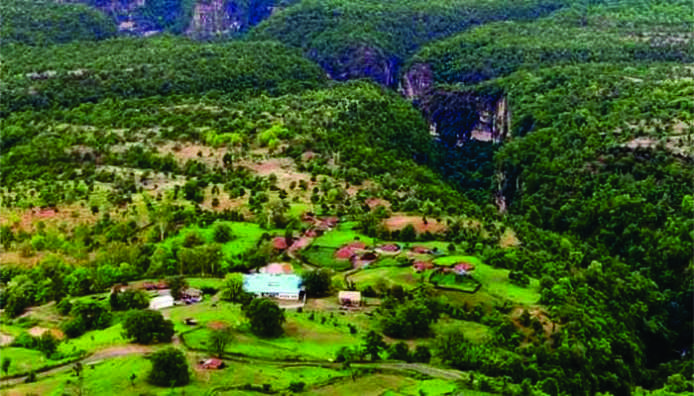
Nature is the biggest attraction here.The landscape changes as you move from the upper viewpoints toward the valley. From the top, you can see layers of hills and greenery spreading across the horseshoe-shaped basin. Once inside, forest paths and village surroundings give the journey a more intimate feel.
Patalkot’s natural environment includes dense vegetation, rocky terrain and waterways. The combination makes it particularly appealing to travellers who prefer landscapes over crowded tourist attractions.
1. Patalkot Valley Viewpoints
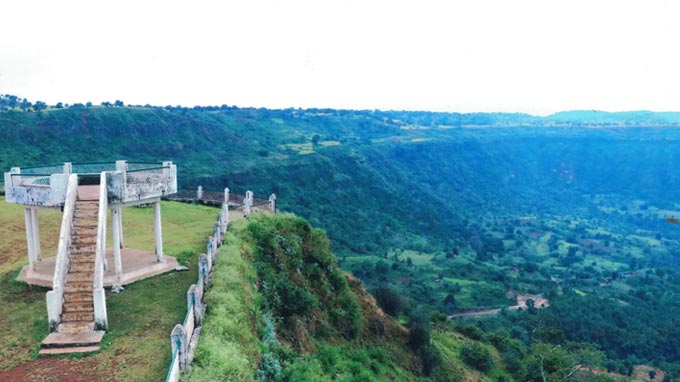
Before descending into the valley, take time to appreciate it from above. Viewpoints around Tamia provide broad views of the horseshoe-shaped Patalkot Valley and surrounding forests. Madhya Pradesh Tourism specifically highlights Patalkot Valley as one of the attractions around Tamia.
These viewpoints are also excellent places for landscape photography, especially when clouds, mist or changing sunlight move across the hills.
2. Doodhi River
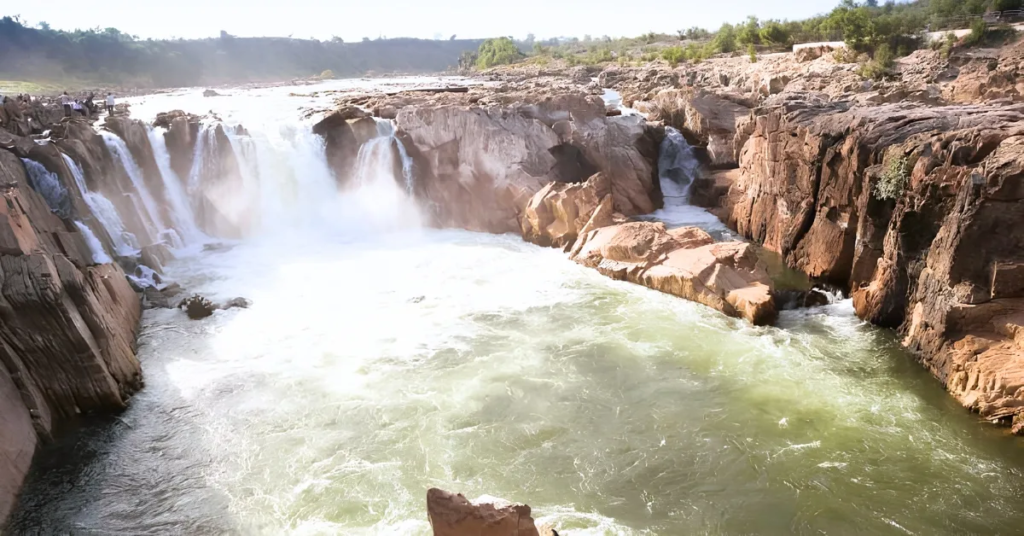
The Doodhi River adds another layer to Patalkot’s landscape. Depending on the season and local conditions, the river and surrounding areas can become an interesting part of a nature-focused visit.
A walk around the river area can feel very different from simply looking at the valley from a viewpoint.
3. Forests and Green Landscapes
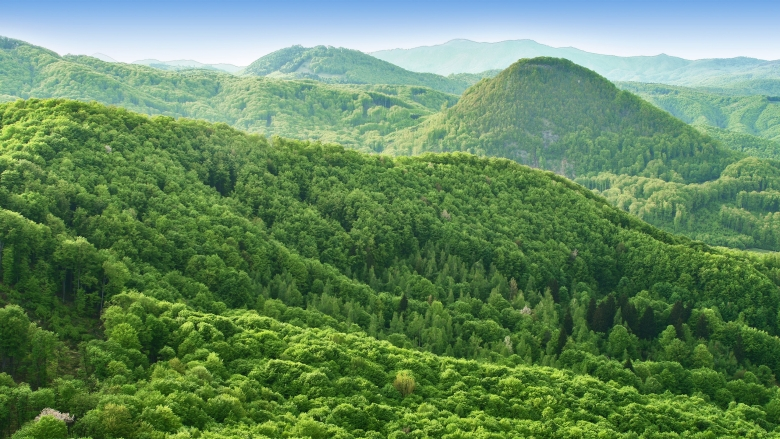
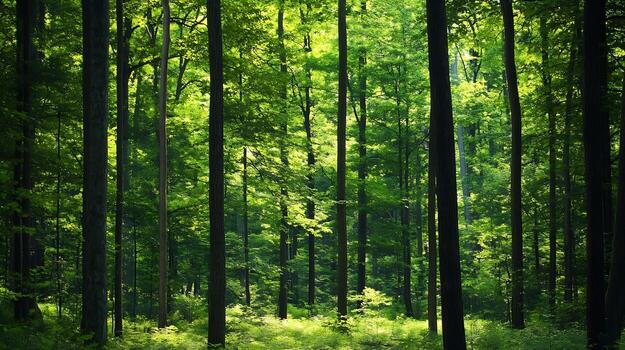
Patalkot is surrounded by forest, making greenery one of the defining features of the destination.
The monsoon can transform the area dramatically, bringing fresh vegetation, flowing water and misty views. Madhya Pradesh Tourism also describes Tamia and Patalkot as particularly attractive during the rainy season.
Discover Patalkot’s Village Life
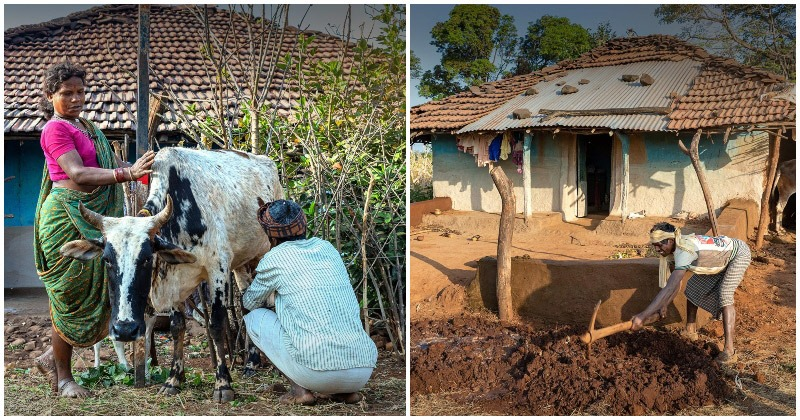
One of the most meaningful parts of visiting Patalkot is understanding that this is not simply a scenic tourist attraction. It is also home to communities with their own traditions, livelihoods and relationship with the land.
The district administration identifies Bharia and Gond communities among the people living in the valley. It also notes the presence of multiple villages and hamlets within Patalkot.
Village life here has historically been closely connected with agriculture, forests and the collection and use of plants and other natural resources.
For travellers, this means a visit can become more than sightseeing. It can be an opportunity to observe how communities live within a distinctive natural environment.
Learn About Bharia and Gond Culture
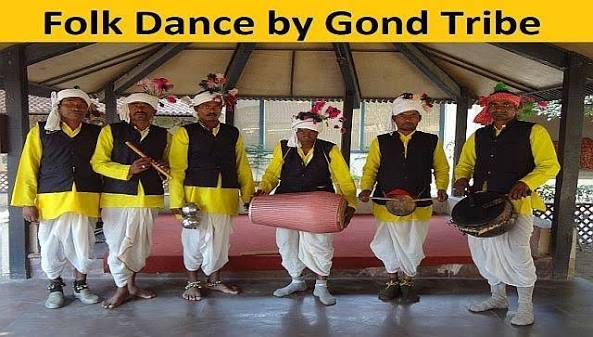
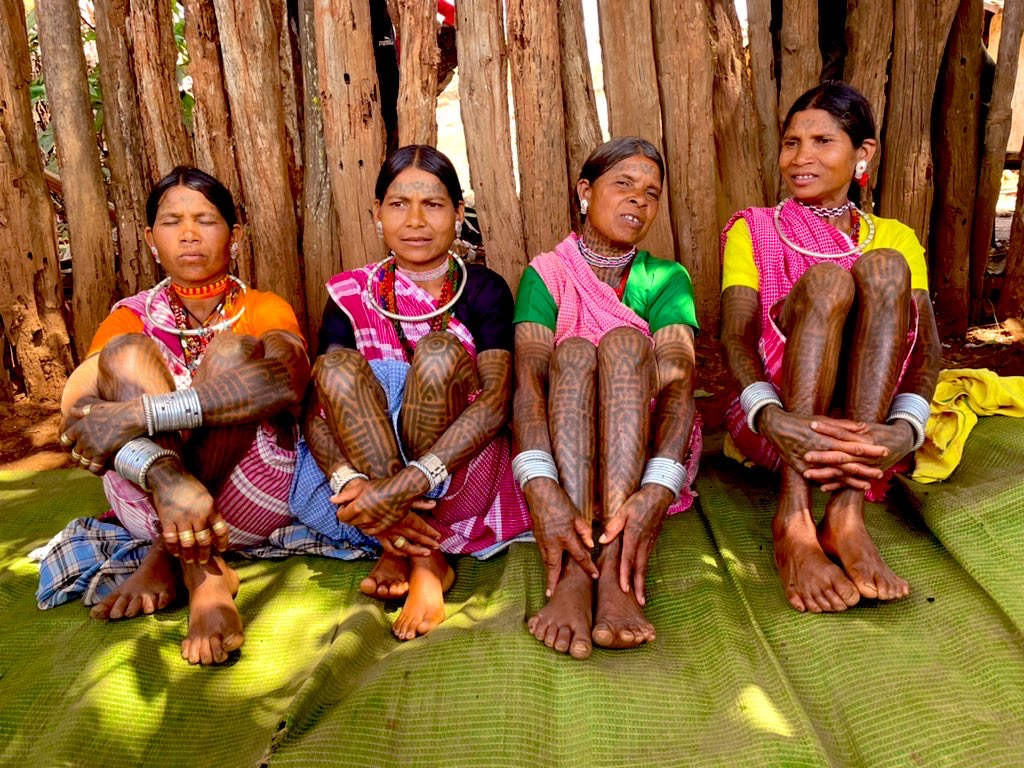
The Bharia and Gond communities are an important part of Patalkot’s cultural identity.
Madhya Pradesh Tourism has highlighted visits and cultural interactions involving the Bharia community, including traditional knowledge about herbs, food and everyday life.
Travellers should approach these experiences respectfully. Villages are living communities, not attractions created for visitors. Asking permission before taking photographs, respecting private spaces and avoiding intrusive behaviour can make the experience more comfortable for everyone.
Traditional Knowledge and Herbal Heritage
Patalkot is also associated with traditional knowledge of plants and herbs.
The district administration describes the valley as having significant forest and herbal wealth, while tourism material highlights the traditional knowledge of local communities.
This is one of the aspects that makes Patalkot particularly interesting from a cultural perspective. Knowledge about plants has traditionally been passed through communities and connected with everyday life.
Visitors should treat such knowledge as cultural heritage rather than attempting to collect plants or use unfamiliar herbs themselves.
Things to Do in Patalkot
Patalkot is best experienced at a relaxed pace. Instead of trying to rush through several attractions, leave room for walking, photography and enjoying the landscape.
| Activity | What Makes It Interesting |
|---|---|
| Valley sightseeing | See Patalkot’s dramatic horseshoe-shaped landscape |
| Nature walks | Explore forested surroundings and village paths |
| Trekking | Experience the changing terrain and valley scenery |
| Photography | Capture hills, forests, villages and seasonal landscapes |
| Village exploration | Observe local architecture and everyday life respectfully |
| Cultural experiences | Learn about Bharia and Gond traditions |
| Bird watching | Look for birdlife in the forest environment |
| Waterfall visits | Seasonal waterfalls can add another dimension to the journey |
| Sunset viewing | Enjoy changing light across the hills |
| Monsoon travel | Experience lush greenery, mist and flowing water |
Madhya Pradesh Tourism has previously highlighted trekking, hiking, camping, bird watching and attractions such as Raja Kho and Zingaria Waterfall as experiences around Patalkot. Conditions and access can vary by season, so local guidance is important.
Patalkot During the Monsoon
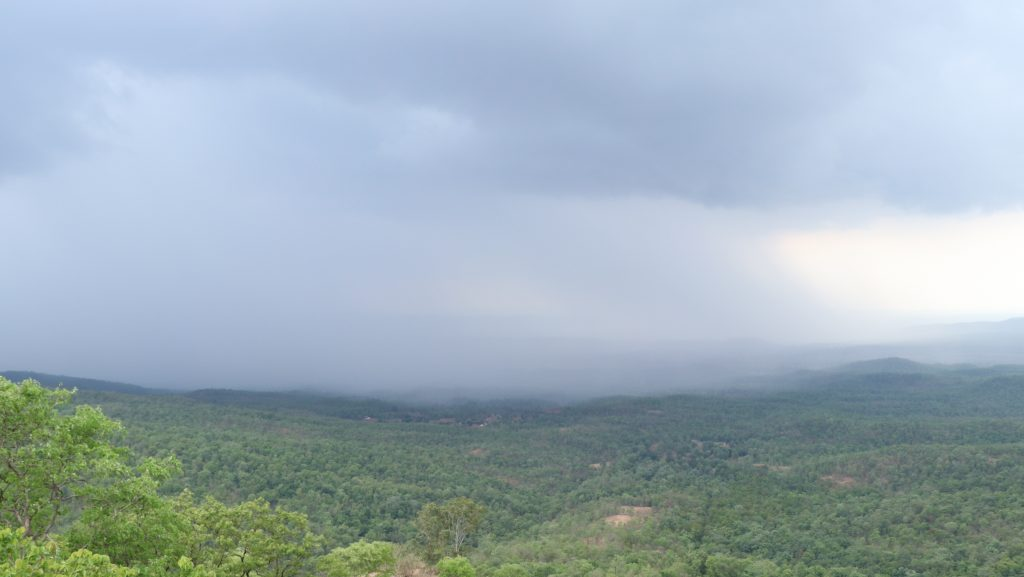
If you love green landscapes, the monsoon can be an especially beautiful time to experience the Patalkot region.
Rain brings a fresh appearance to the forests and hills, while clouds and mist can create constantly changing views. Seasonal waterfalls and streams may also become more noticeable.
However, rain can make forest paths, steep sections and roads more difficult to navigate. Travellers should check local conditions before heading into less accessible areas.
Patalkot for Photography
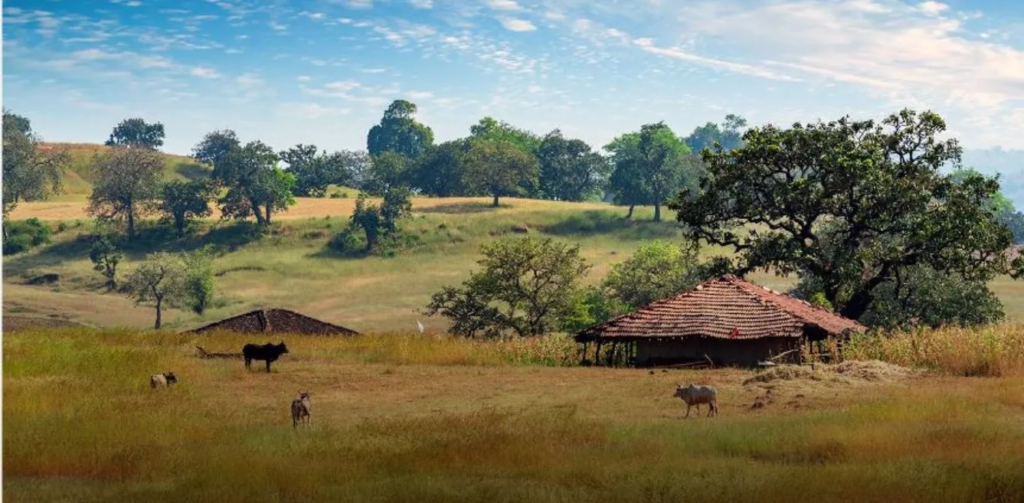
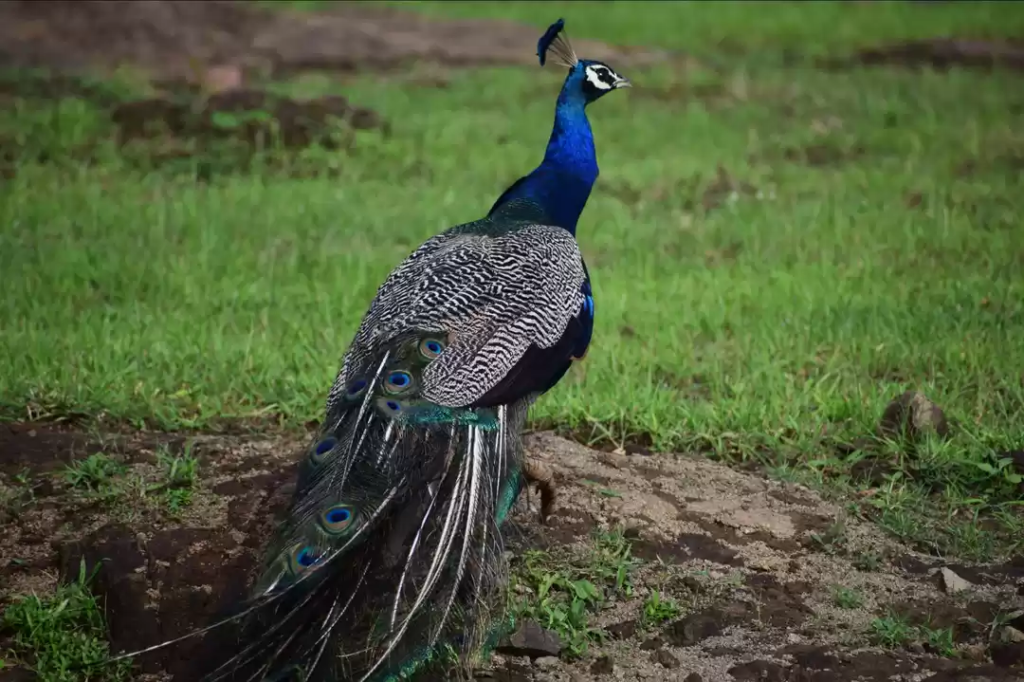
Patalkot offers plenty of opportunities for photographers.You can photograph the destination from several perspectives:
- Wide valley landscapes from viewpoints
- Forest trails
- Hills and rocky formations
- Village surroundings
- Seasonal waterfalls
- Clouds and monsoon mist
- Local architecture and everyday scenes
- Sunrise and sunset landscapes
For village photography, permission and sensitivity matter. A beautiful photograph is never more important than someone’s privacy.
How to Reach Patalkot
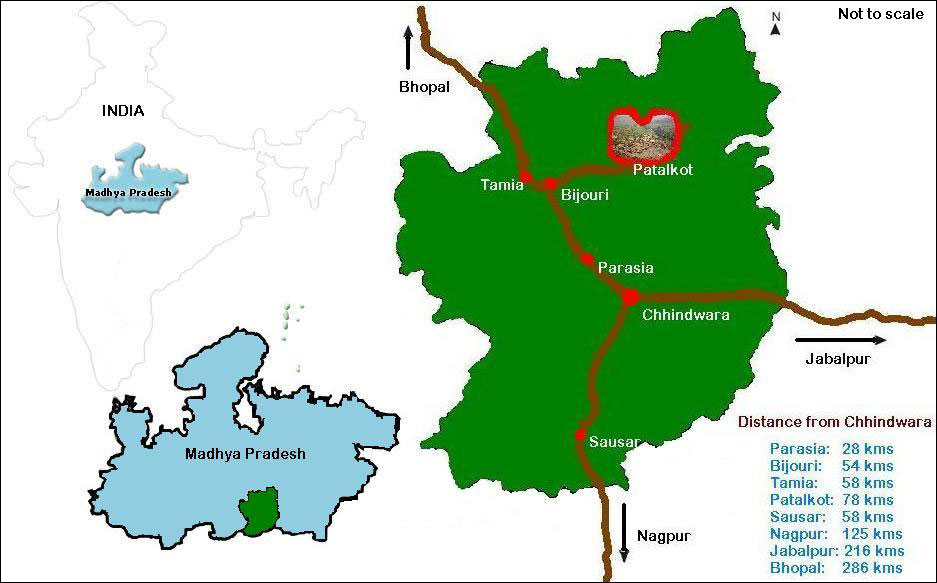
Patalkot is generally approached through Chhindwara and Tamia.The Chhindwara district administration lists Patalkot at around 78 km from Chhindwara and about 20 km from Tamia, while Madhya Pradesh Tourism has described it as approximately 23 km from Tamia. The difference reflects route and reference-point variations, so travellers should check their exact route before leaving.
By Road
Road travel is the practical way to reach the Patalkot region. Chhindwara is connected by road with major cities including Nagpur, Jabalpur and Bhopal. Taxis and buses are available to Chhindwara, after which travellers can continue toward Tamia and Patalkot.
By Air
Nagpur is identified by the Chhindwara district administration as the nearest major airport option, with onward travel to Chhindwara by road or rail. Bhopal and Jabalpur are additional options depending on the traveller’s starting point and itinerary.
By Train
Chhindwara can be reached by rail, followed by road travel toward Tamia and Patalkot. Check current train schedules before planning the journey.
Where to Stay
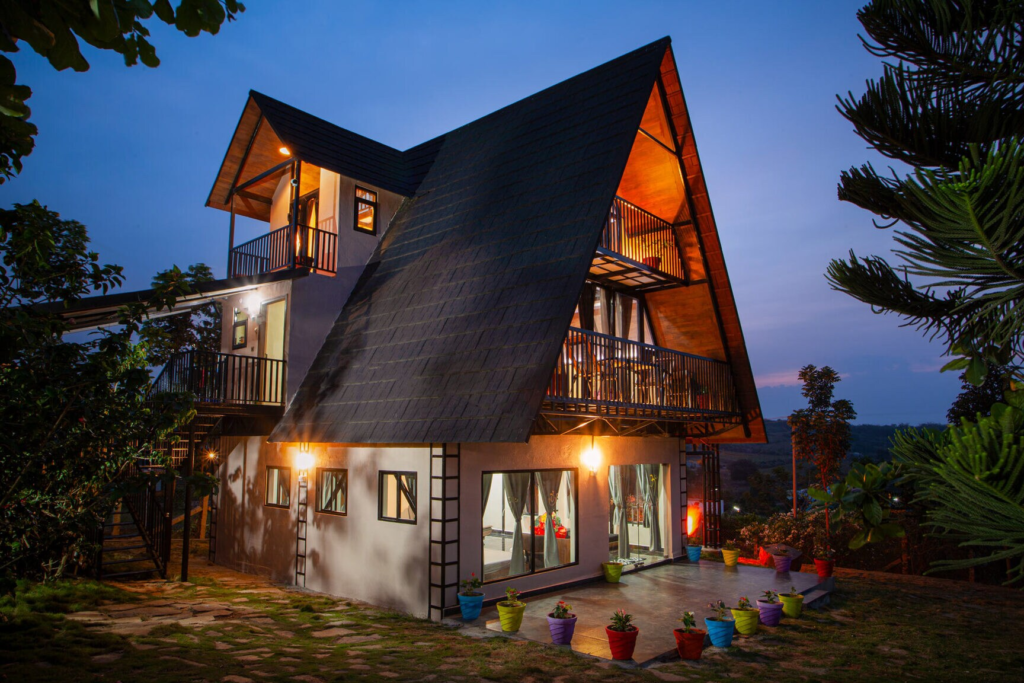
Patalkot itself has limited accommodation facilities. The Chhindwara district administration recommends looking toward Tamia for nearby accommodation, including forest or PWD guest-house options.
Madhya Pradesh Tourism currently lists accommodation options around Tamia, including private properties and home-stays.
For a first visit, staying around Tamia can make planning easier while allowing you to explore Patalkot during the day.
Best Time to Visit Patalkot
The ideal season depends on what you want to experience.
Monsoon: Best suited to travellers who enjoy lush greenery, mist and dramatic landscapes, although wet conditions can make some routes challenging.
Winter: Comfortable temperatures can make sightseeing, walking and outdoor exploration more pleasant.
Summer: The surrounding forests and higher elevations can still offer scenic experiences, but daytime conditions may be warmer.
Before travelling, check local weather and road conditions, particularly if you plan to explore trails or visit during heavy rain.
Responsible Travel in Patalkot
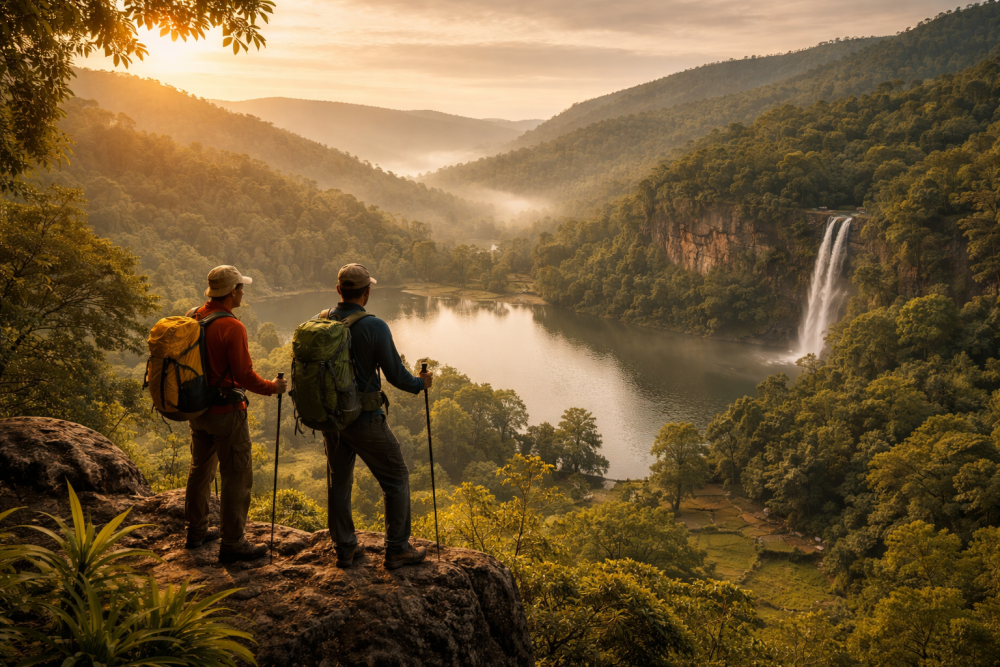
Patalkot’s beauty is closely connected to its natural environment and local communities. Responsible tourism can help preserve both.
Here are a few simple practices:
- Carry reusable water bottles where practical.
- Avoid leaving plastic or food waste behind.
- Stay on established paths when possible.
- Do not damage plants or collect natural materials.
- Ask before photographing residents.
- Respect religious and cultural spaces.
- Keep noise low in villages and forest areas.
- Follow local instructions when trekking.
- Avoid entering private homes or farmland without permission.
- Choose local guides or community-based experiences where available.
The region has been associated with eco-tourism initiatives that connect tourism with local communities and conservation.
A Simple Patalkot Travel Plan
If you’re planning a short visit, a relaxed itinerary can work well.
| Time | Suggested Experience |
|---|---|
| Morning | Travel toward Patalkot and enjoy the valley views |
| Late morning | Explore the surrounding landscape and village areas |
| Afternoon | Enjoy a local meal or cultural experience where available |
| Later afternoon | Nature walk, photography or nearby attraction |
| Evening | Return toward Tamia and enjoy the surrounding hill views |
The exact itinerary should depend on weather, road conditions, local access and the time needed for walking.
Why Patalkot Is Worth Exploring
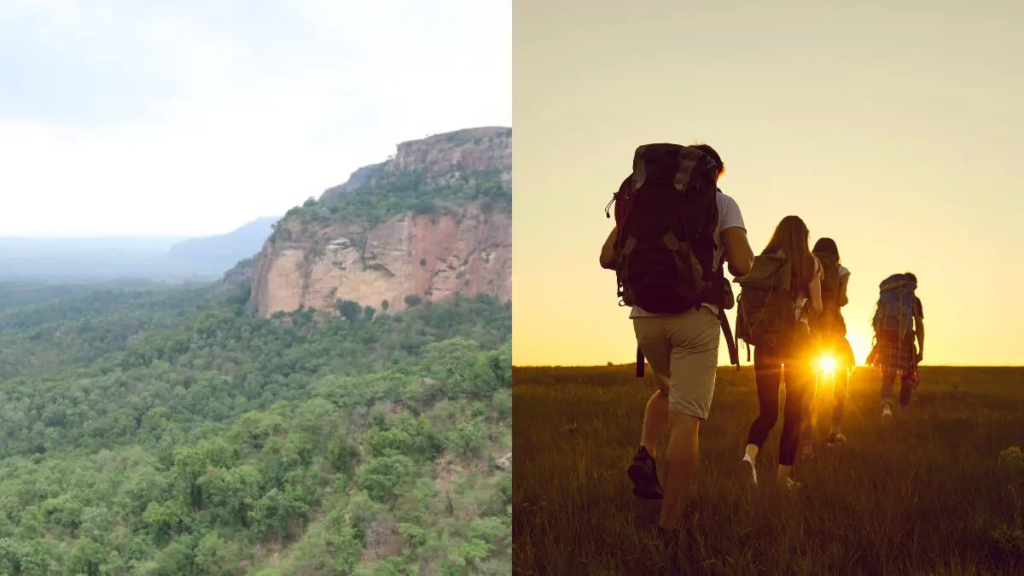
Patalkot offers something that is increasingly difficult to find: a destination where scenery and culture remain closely connected.You can stand above a dramatic valley, walk through green surroundings, learn about local traditions and experience a slower rhythm of travel within the same trip.
It is not a destination that needs to be rushed.The most memorable part of Patalkot may be the combination of its deep valley, forest landscape and village life. Its natural beauty draws travellers in, but its culture and sense of place give the journey much more meaning.
FAQ’S
1. Where is Patalkot located?
Patalkot is located in the Tamia area of Chhindwara district in Madhya Pradesh, India. It is known for its deep valley, forests and scenic hill landscape.
2. What is Patalkot famous for?
Patalkot is famous for its horseshoe-shaped valley, natural beauty, forested hills, village life, and the cultural traditions of the Bharia and Gond communities.
3. What are the best things to do in Patalkot?
Popular experiences include enjoying valley viewpoints, nature walks, trekking, photography, exploring village surroundings, bird watching and learning about local culture.
4. What is the best time to visit Patalkot?
Winter is generally comfortable for outdoor exploration, while the monsoon brings lush greenery, mist and seasonal waterfalls. Rain can also make some roads and trails more difficult.
5. How far is Patalkot from Tamia?
Patalkot is roughly 20–23 km from Tamia, depending on the route and reference point.