Shopping for babies and kids sounds simple until you actually start making the list. Baby Products One minute you’re looking for a few basic clothes, and the next you’re comparing bottles, bibs, toys, bath products, backpacks, storage boxes, shoes, and safety items. There are plenty of products out there, but figuring out which ones will genuinely be useful is the harder part.
What works for one family may not work for another. Baby Products A newborn has completely different needs from a toddler, and a school-age child brings another set of everyday essentials.
A better way to shop is to start with your child’s current age, routine, comfort, and the things your family actually uses from day to day.
Whether you’re preparing for a new baby, replacing your toddler’s everyday essentials, or getting an older child ready for school and activities, practical choices can make shopping much easier.
This guide covers the main kids and baby product categories, useful things to look for, and everyday essentials worth considering as children grow.
What Should You Consider When Buying Kids & Baby Products?
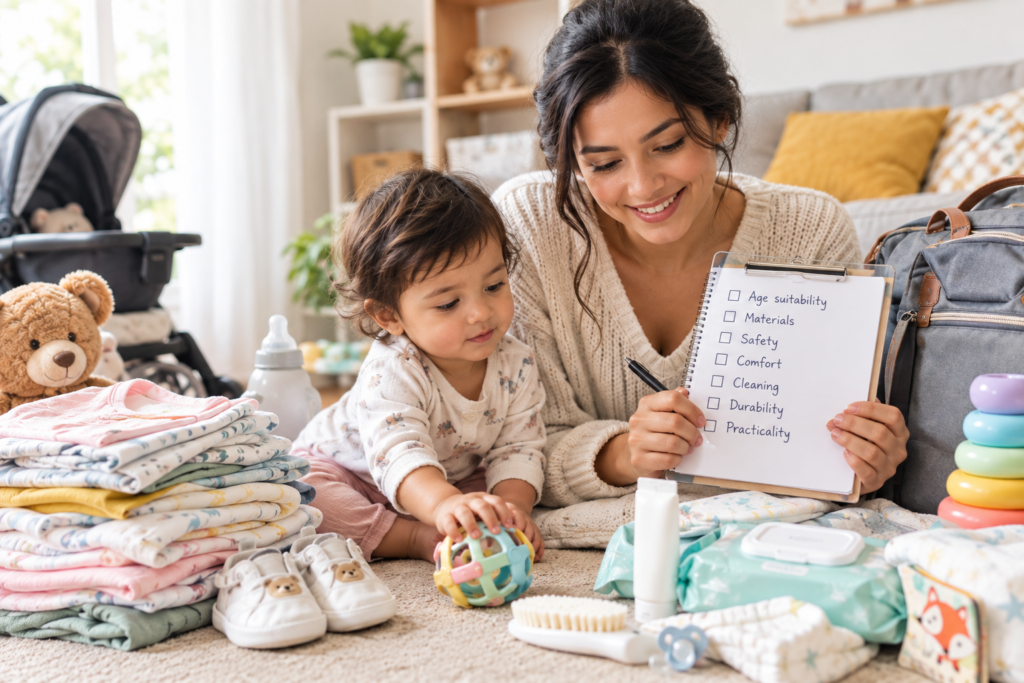
There isn’t one perfect shopping list for every child.Your child’s age, personality, routine, and your family’s lifestyle all influence what makes sense to buy.Baby Products Before putting something in your cart, take a moment to think about how often you’ll use it and whether it will actually make life easier.
A few details are especially worth checking.
- Age suitability: Make sure the product matches your child’s age and developmental stage.
- Materials: Choose suitable, durable materials, particularly for products that touch a baby’s skin or go near their mouth.
- Safety: Read warnings, instructions, age recommendations, and other safety information before use.
- Comfort: Clothes, shoes, carriers, and similar products should allow children to move freely and comfortably.
- Cleaning: Items that are easy to wash or wipe down are especially convenient for everyday family life.
- Durability: Kids can put plenty of wear and tear on their belongings, so sturdy products can be useful.
- Practicality: Think about whether the item has a real purpose in your routine rather than buying it simply because it looks appealing.
Essential Baby Products
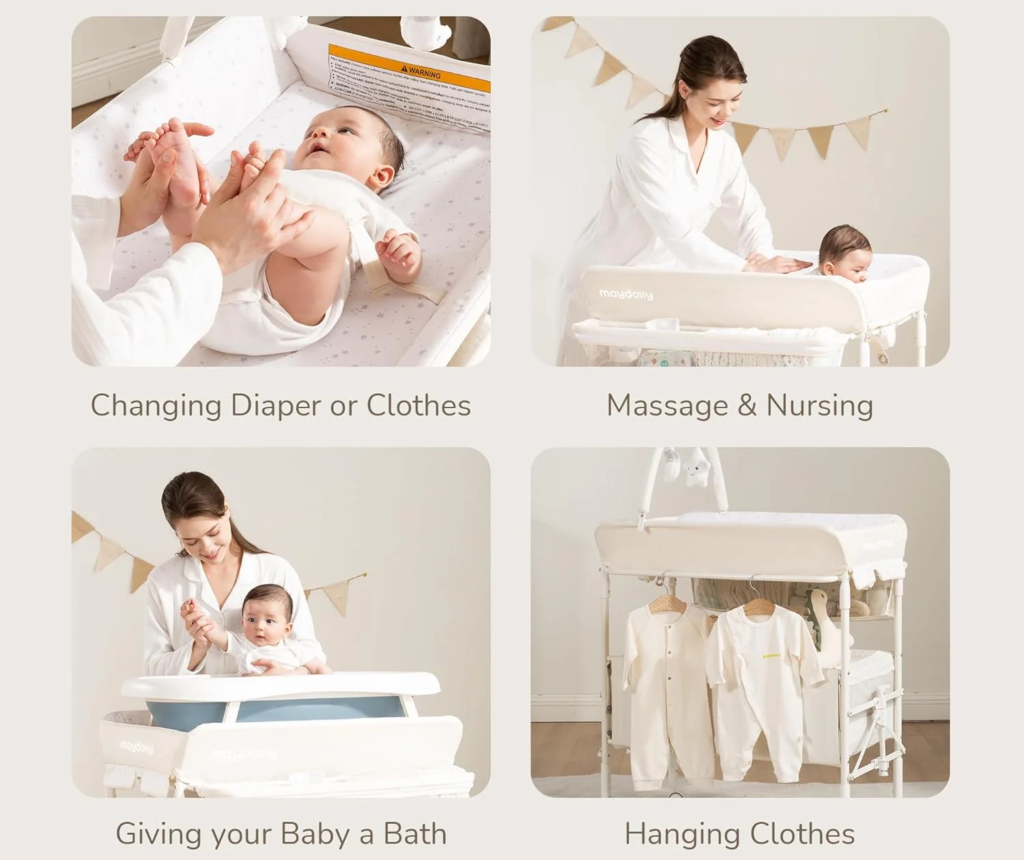
The early months with a baby come with a lot of new routines.Baby Products Getting dressed, changing diapers, feeding, bathing, and heading out of the house can all require a little preparation. Having the basics ready can make those everyday moments feel more organized.
You can start small and add things as you discover what works best for your family.
Baby Clothing
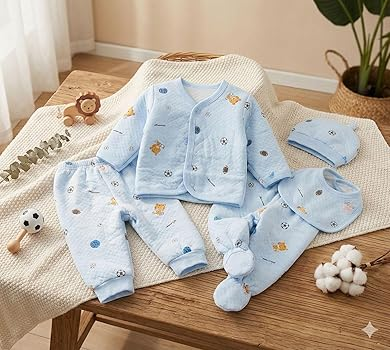
Baby clothes go through a lot. A There are frequent changes, spills, washes, naps, and unexpected messes, while babies themselves seem to outgrow everything incredibly quickly.
For everyday wear, comfortable basics tend to be the most practical choice. Baby ProductsLook for soft, breathable fabrics and designs that make dressing and changing easier.
Bodysuits, sleepsuits, socks, bibs, and lightweight layers are useful starting points. Having a few easy-to-wash pieces in different sizes can also be more practical than buying a large wardrobe all at once.
Diapering Essentials
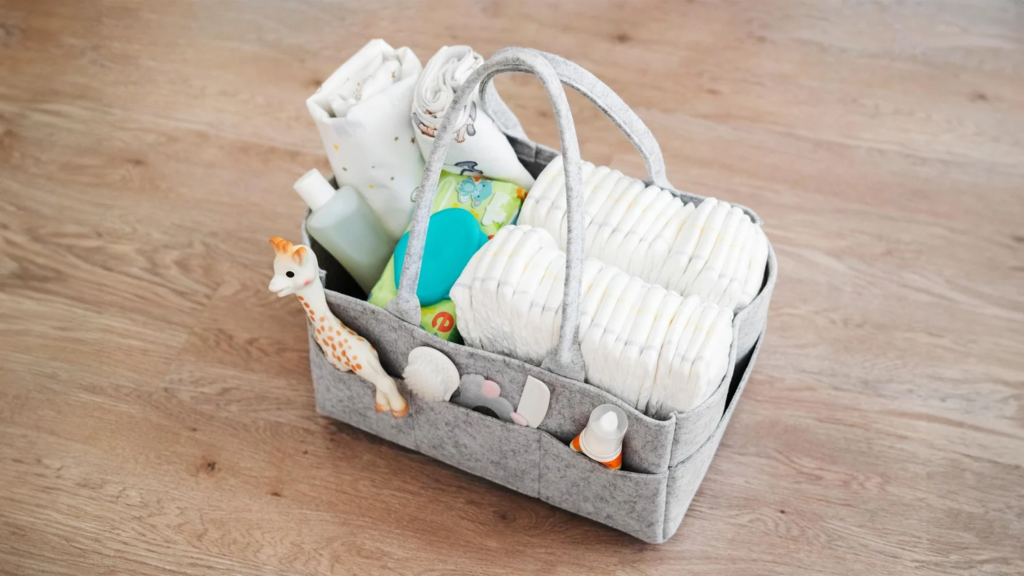
Diaper changes quickly become one of those routines you can do almost without thinking.Still, having everything you need nearby makes a difference. Baby Products Depending on your preferences, your setup may include diapers, wipes, changing mats, diaper cream, storage bags, and a dedicated place for changing your baby.
Keeping these supplies together can save time, particularly when you’re dealing with a very active baby or a change that happens at an inconvenient moment.
Feeding Products
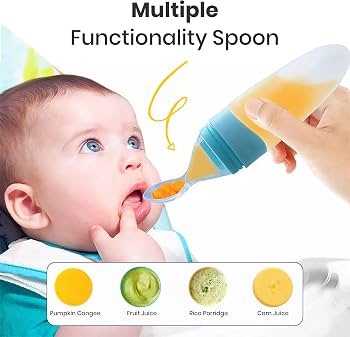
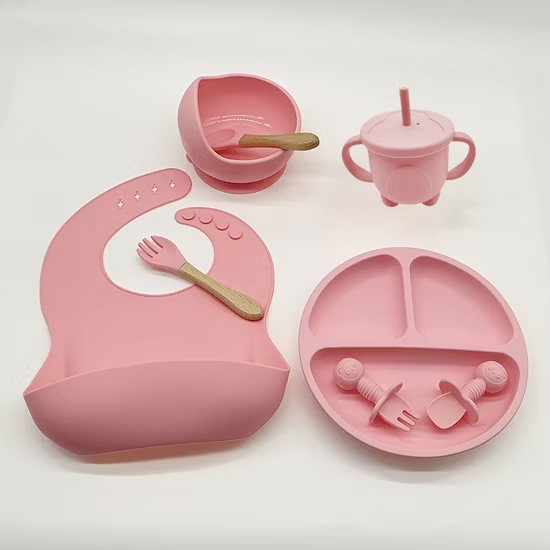
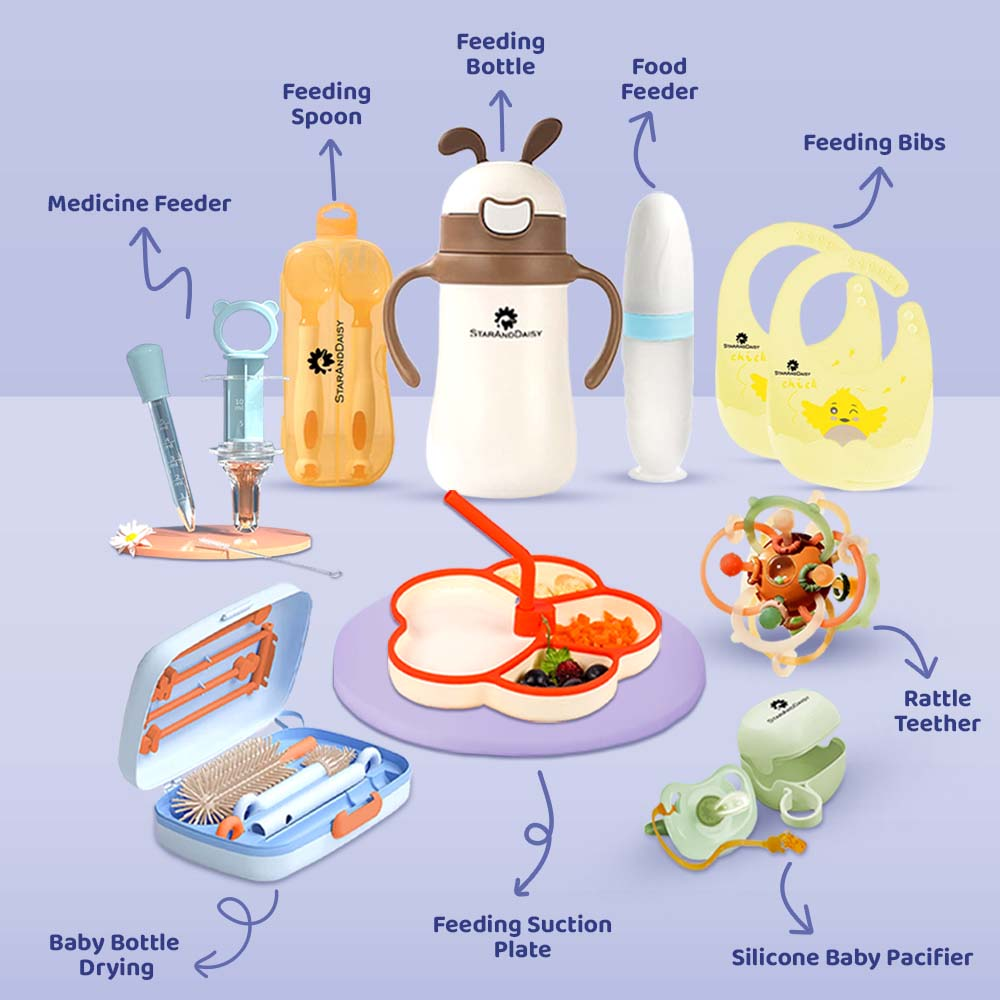
Feeding looks different for every family, and those needs can change as your baby grows.Depending on your routine, useful items may include bottles, bottle brushes, bibs, burp cloths, food storage containers, cups, and age-appropriate utensils.
When your baby begins exploring solid foods, plates, bowls, and cups that are simple to clean can become especially handy.
Rather than collecting every feeding accessory available, think about what fits comfortably into the way you already prepare and serve food.
Baby Products Bath & Personal Care
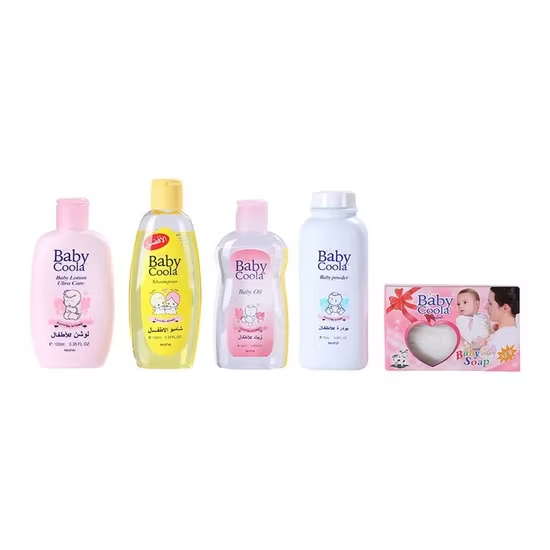
Baby bath time doesn’t require a complicated collection of products.A suitable baby bathtub, soft towels, washcloths, cleansing products, and basic grooming tools can cover many everyday needs.
Choose products that are appropriate for your baby’s age and use them according to the manufacturer’s instructions. Keeping bath and grooming supplies together can also make the whole routine easier to manage.
Baby Products at a Glance
| Product Category | Common Essentials | What to Look For |
|---|---|---|
| Clothing | Bodysuits, sleepsuits, socks, bibs | Soft fabric and comfortable fit |
| Diapering | Diapers, wipes, changing mat | Convenient and easy to use |
| Feeding | Bottles, bibs, cups, utensils | Age-appropriate design |
| Bath Time | Tub, towels, washcloths | Easy cleaning and comfortable materials |
| Grooming | Nail clippers, brush, comb | Baby-friendly design |
| Travel | Stroller, carrier, travel bag | Comfort, portability and suitability |
| Nursery | Storage, bedding, organizers | Practical and easy to maintain |
Kids’ Clothing & Shoes Baby Products
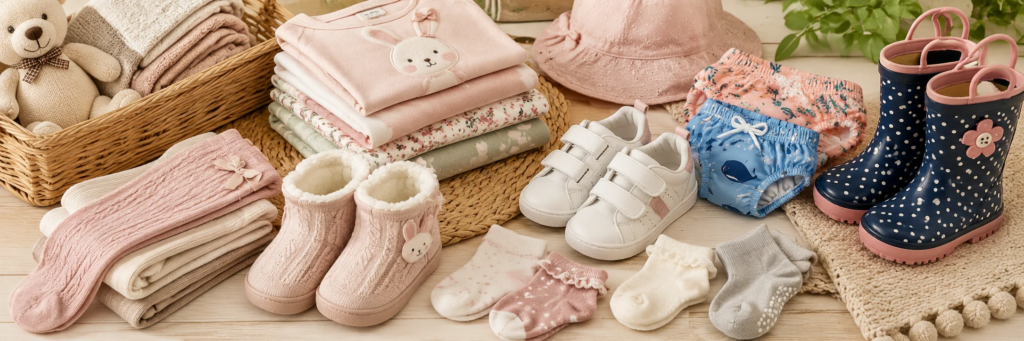
Kids can outgrow clothes and shoes faster than expected, so it helps to think about practicality before filling the wardrobe.For everyday clothing, choose pieces that are comfortable enough for school, play, outdoor activities, and relaxing at home. Depending on the season, your child’s routine may include T-shirts, trousers, dresses, shorts, sweaters, jackets, sleepwear, and school clothes.
Shoes deserve a careful look too.A good-looking pair isn’t particularly useful if it doesn’t fit properly or doesn’t suit the activity. Consider where the shoes will be worn and make sure your child has enough room to move comfortably.
For younger children, footwear with simple designs can also make getting dressed easier, especially when they’re learning to put their own shoes on.
Toys & Learning Baby Products
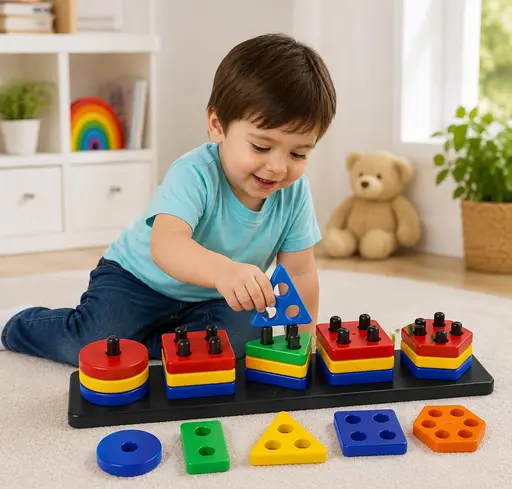
Children don’t need every new toy that catches their eye.A thoughtful selection can give them plenty to do while also encouraging different kinds of play. Depending on their age and interests, toys can support creativity, movement, imagination, problem-solving, building, and exploration.
Some popular choices include:
- Building blocks
- Puzzles
- Art supplies
- Pretend-play sets
- Books
- Musical toys
- Outdoor play equipment
- Educational games
Having different types of toys can be more useful than simply having a large number of them. Baby Products A few building toys, books, creative activities, and pretend-play options can provide plenty of variety without turning storage into a daily challenge.
Choosing Toys by Age
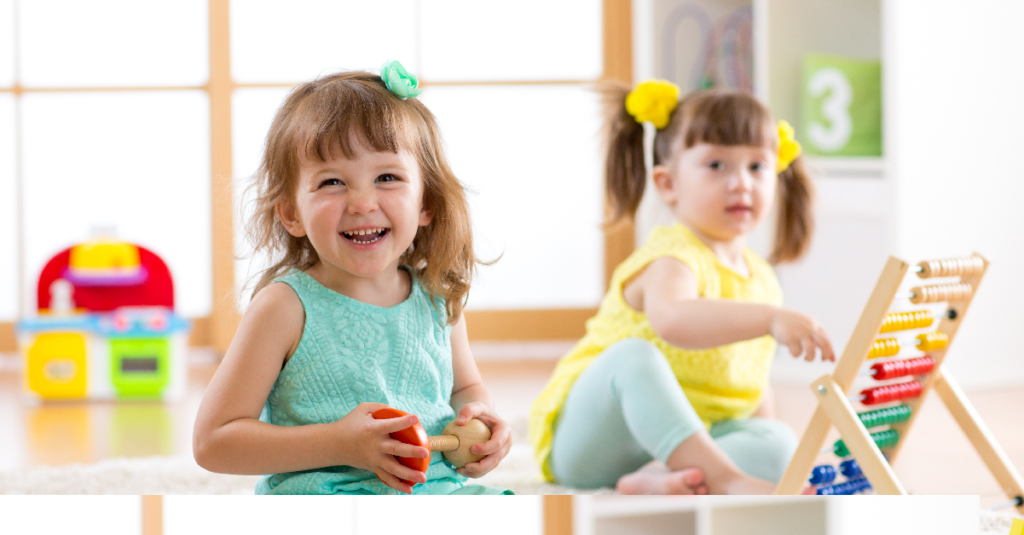
Children’s interests change quickly, so a toy that was exciting a few months ago may eventually be pushed aside.Babies may enjoy sensory toys and soft books that are easy to hold and explore. Toddlers can become interested in stacking, sorting, movement, and pretend play.
Preschoolers may enjoy drawing, building, puzzles, stories, and imaginative games. Baby Products Older children might lean toward strategy games, craft kits, science activities, construction sets, or hobbies that match their interests.
Whatever the age, check the manufacturer’s recommended age range and safety information before buying.
Baby & Kids Travel Essentials
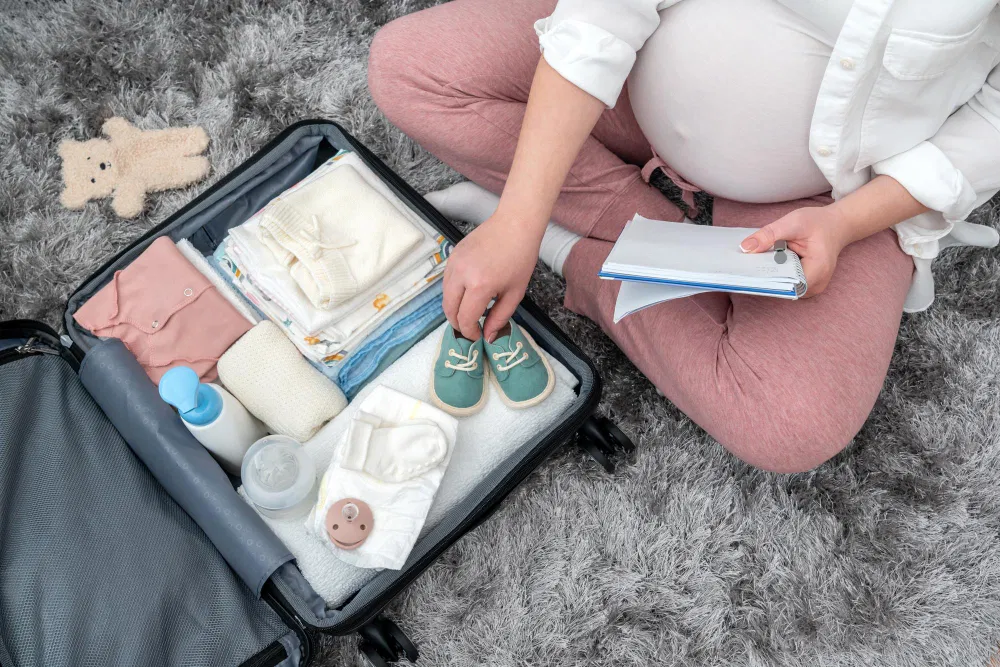
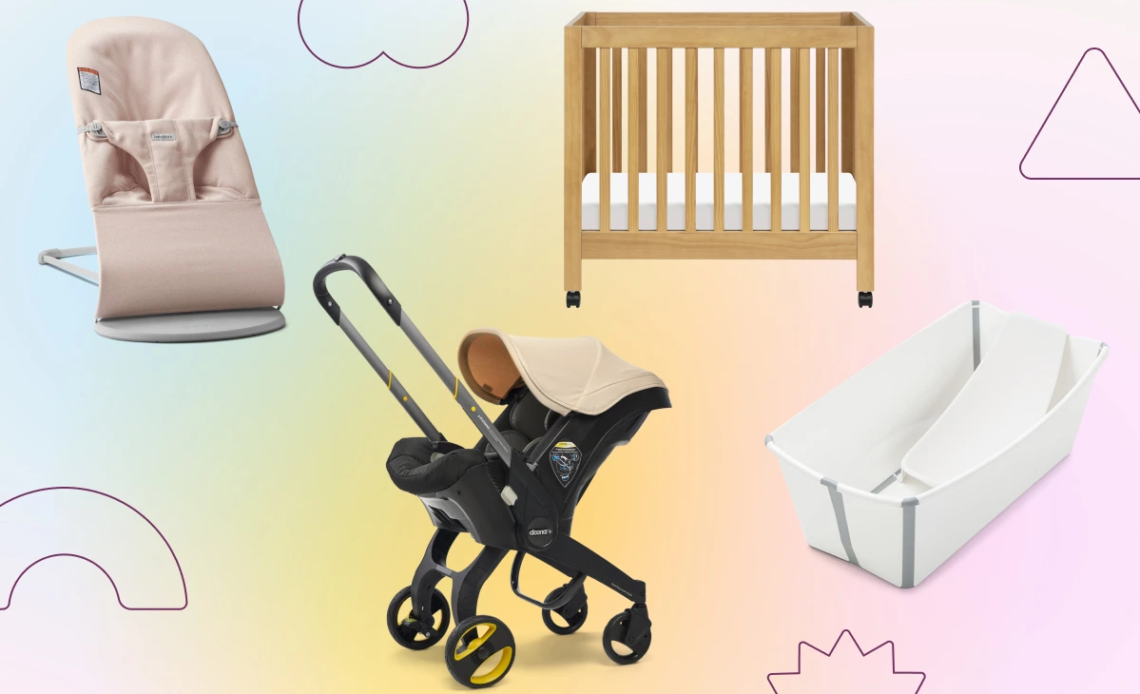
Traveling with children often means packing a little more than you originally planned.For babies, a stroller or carrier, changing bag, spare clothes, feeding supplies, and diapers can be useful. Older children may need a backpack, water bottle, snacks, books, headphones, or a few activities for the journey.
Don’t overlook familiar items.A favorite book, small toy, or comfort item from home can make a long trip feel less unfamiliar, particularly for younger children.
Size matters when choosing travel products, too. Something may seem useful in a shop, but carrying it through an airport, fitting it into a car, or squeezing it into luggage can tell a very different story.
Think about portability before buying.
Kids’ School & Activity Supplies
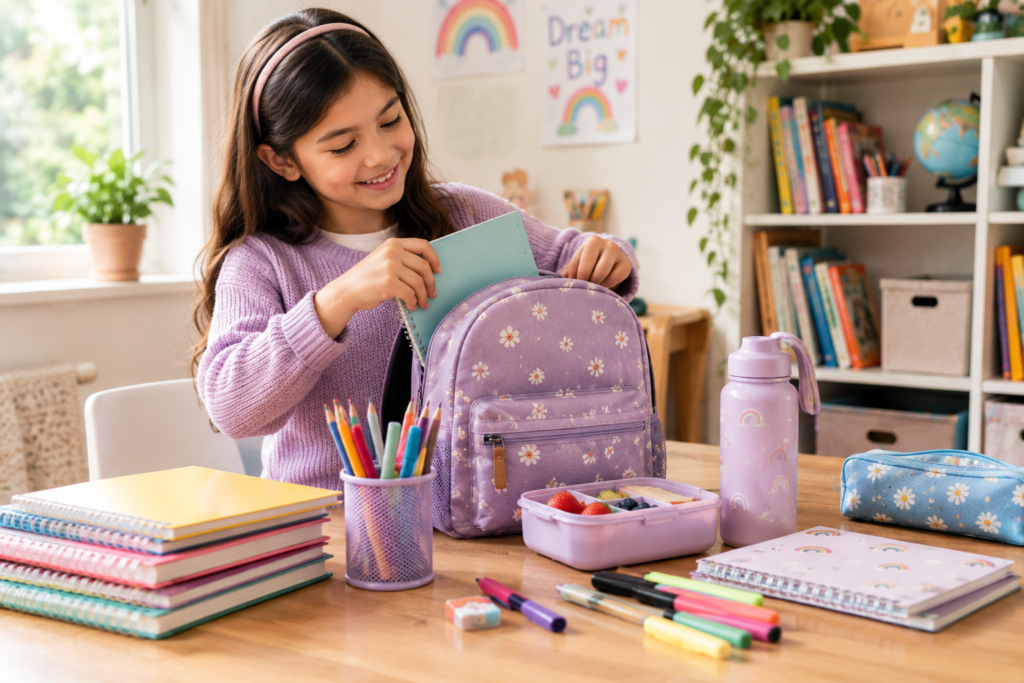
School brings a whole new collection of things into a child’s everyday routine.Depending on the school and activities, the list may include backpacks, lunch boxes, water bottles, notebooks, stationery, art supplies, and other equipment.
A backpack should be comfortable and large enough for what your child actually needs to carry. For lunch boxes and water bottles, features such as easy cleaning and secure closures can be particularly helpful.
At home, keeping pencils, crayons, paper, coloring supplies, and craft materials in one place can make creative time much easier.
A simple storage box can save a surprising amount of time when you’re trying to find one missing crayon before a school project is due.
Baby & Kids’ Home Essentials
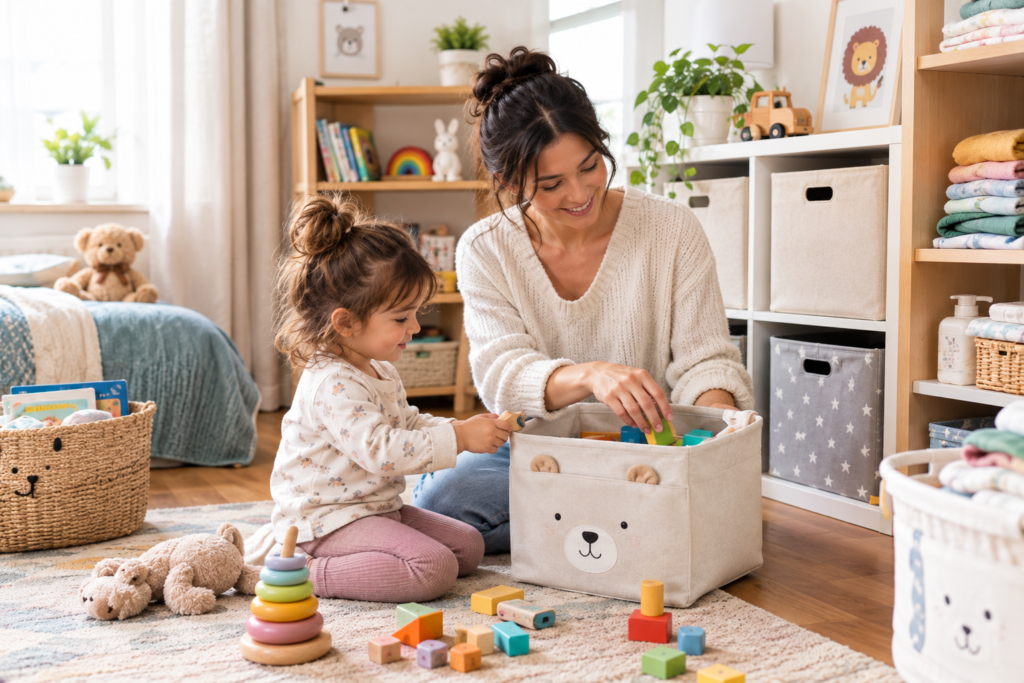
Children have a way of making even a tidy home feel like it has suddenly run out of storage.Toys, books, clothes, school supplies, craft materials, and everyday belongings can gradually spread into different rooms. Practical organization products can help keep everything from becoming one giant pile.
Depending on your child’s age and your home, useful options include storage baskets, toy organizers, laundry hampers, night lights, feeding mats, and child-friendly furniture.
For older children, open bins and accessible shelves can be particularly useful. When children can easily see where their things belong, putting them away becomes a much more straightforward habit.
Safety Products for Children
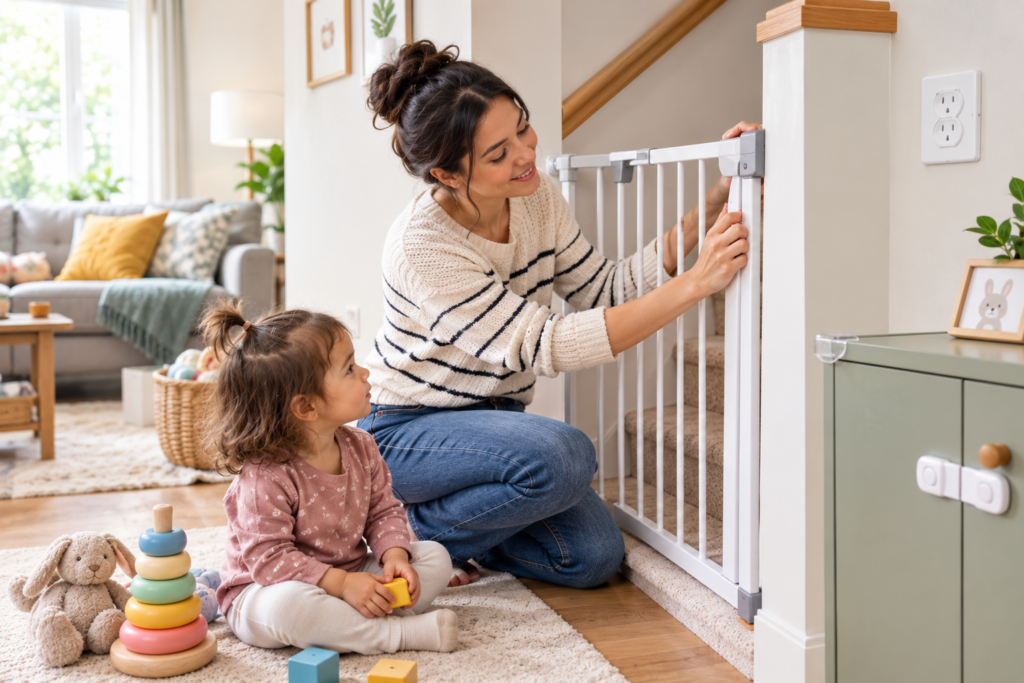
Safety deserves careful attention when you’re shopping for children.Depending on your child’s age and your home’s setup, you may consider products such as cabinet locks, outlet covers, corner protectors, stair gates, and window safety devices.
These products can provide an additional layer of protection around the home, but they work alongside supervision and safe habits.
Always install and use them according to the manufacturer’s instructions.
Sleep-related products deserve particular care as well. Check current guidance from trusted pediatric and public-health sources, along with the manufacturer’s instructions and recommended age range.
Kids & Baby Products Shopping Checklist
| Category | Useful Products | Shopping Tip |
|---|---|---|
| Baby Clothing | Bodysuits, sleepsuits, socks | Choose comfortable, washable fabrics |
| Diapering | Diapers, wipes, changing mat | Keep everyday items within easy reach |
| Feeding | Bottles, bibs, cups, utensils | Select products suitable for the child’s stage |
| Bath & Grooming | Towels, washcloths, grooming tools | Look for simple, easy-to-clean options |
| Toys | Blocks, puzzles, books, games | Check age recommendations |
| Clothing | Tops, bottoms, dresses, jackets | Prioritize comfort and practicality |
| Footwear | Everyday shoes, sandals, boots | Focus on proper fit and intended activity |
| Travel | Stroller, carrier, backpack | Consider portability and storage |
| School | Backpack, lunch box, stationery | Choose practical, durable items |
| Home | Organizers, storage bins, night light | Make everyday organization easier |
| Safety | Gates, locks, outlet covers | Follow installation instructions carefully |
How to Shop Smarter for Kids & Baby Products
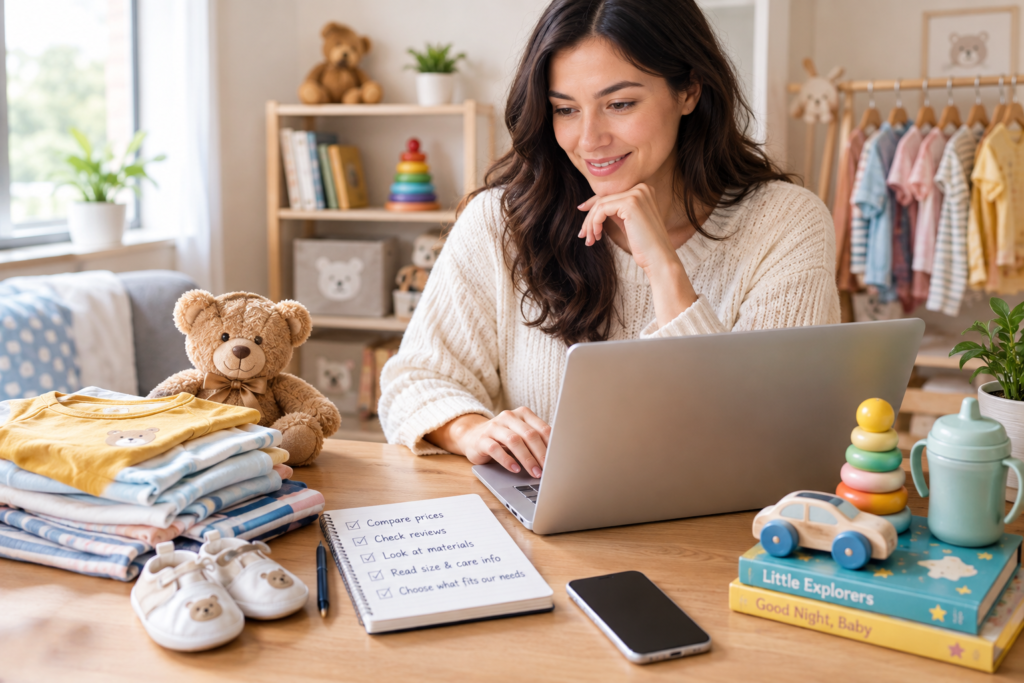
There is no reason to tackle the entire shopping list in one trip.Start with the things your child needs right now. As they grow, their clothes, toys, school supplies, travel needs, and daily routines will change, and you can adjust your shopping list along the way.
Comparing products before buying can also help. Look at the size, materials, care instructions, age recommendations, warranty details where applicable, and customer reviews.
For clothes and shoes, keep growth in mind. Children can move through sizes quickly, so buying a huge number of pieces in one size may leave some of them barely worn.
With toys, consider how your child will actually use them. Something that supports building, creating, pretending, or solving problems in several different ways may offer more variety than a toy designed around one activity.
For baby products related to feeding, sleep, or safety, take the time to read the manufacturer’s instructions before use. Understanding how a product is intended to be used is an important part of choosing and using it responsibly.
FAQ’S
1. What are the most essential baby products?
Baby clothing, diapers, feeding supplies, bath items, grooming tools, and basic travel gear are common essentials.
2. What should I consider when buying kids and baby products?
Consider your child’s age, safety, comfort, materials, durability, cleaning needs, and how useful the product will be in your routine.
3. How do I choose toys for different ages?
Check the recommended age range and choose toys that match your child’s stage, interests, and abilities.
4. What should I look for in kids’ shoes?
Focus on proper fit, comfortable movement, and footwear suited to the child’s activity.
5. What baby and kids’ products are useful for travel?
Strollers, carriers, changing bags, spare clothes, feeding supplies, backpacks, water bottles, snacks, books, and comfort items can be useful.