
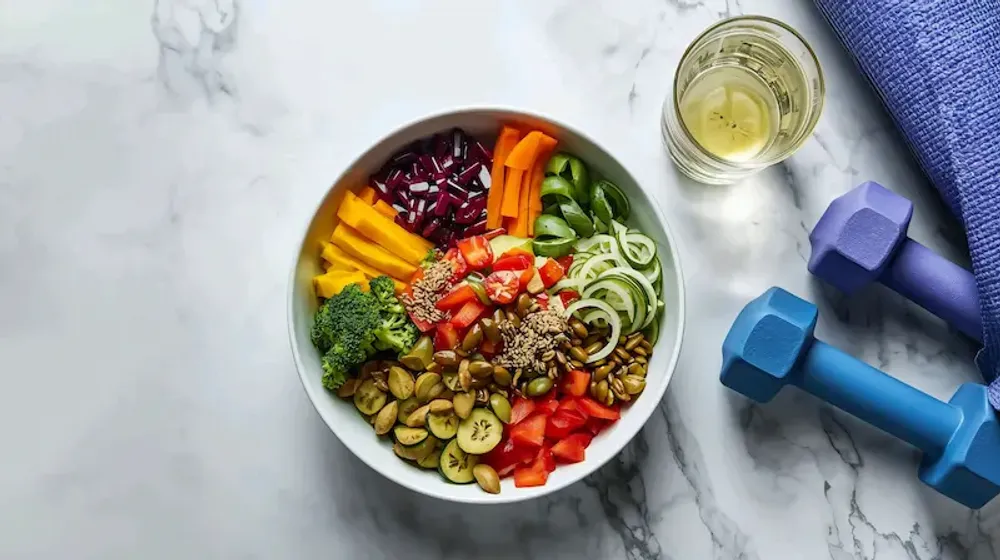
To achieve your fitness goals, whether they involve building muscle, losing fat, or increasing endurance, your nutrition must act as the fuel that powers your training. Balancing nutrition with a workout plan requires a strategic approach to what you eat, how much you eat, and when you eat.
The Foundation: Macronutrient Balance
Every workout plan relies on three primary macronutrients to function effectively. The ratio of these nutrients will shift based on the intensity and type of your exercise.
- Carbohydrates: These are your body’s preferred energy source. They are stored in the muscles and liver as glycogen. For high-intensity interval training (HIIT) or heavy lifting, carbohydrates are essential to prevent premature fatigue.
- Proteins: Protein provides the amino acids necessary to repair the micro-tears in muscle fibers caused by exercise. This process is how muscles grow stronger and larger.
- Fats: While often misunderstood, healthy fats are vital for hormone production and long-term energy during low-intensity, steady-state cardio (like walking or long-distance cycling).

The Timing Strategy: Nutrient Partitioning
When you eat is often just as important as what you eat. Aligning your meals with your training window ensures you have energy during the session and the necessary “bricks” for recovery afterward.
1. Pre-Workout (The Fueling Phase) Eat a meal containing complex carbohydrates and moderate protein 2 to 3 hours before training. If you are short on time, a small snack like a banana or a piece of toast with peanut butter 30 to 60 minutes before can provide a quick glucose spike.
- Goal: Maximize glycogen stores and minimize muscle protein breakdown.
2. Intra-Workout (The Maintenance Phase) For workouts lasting less than 60 minutes, water is usually sufficient. However, for endurance sessions lasting over 90 minutes, consuming electrolytes and simple carbohydrates (like a sports drink or gel) helps maintain blood sugar levels and prevents “bonking.”
3. Post-Workout (The Recovery Phase) This is often called the “anabolic window.” While the urgency is sometimes exaggerated, consuming a mix of protein and carbohydrates within 1 to 2 hours of finishing your workout is ideal.
- Goal: Refill glycogen stores and jumpstart the muscle repair process.
Caloric Intake vs. Energy Expenditure
To balance nutrition, you must align your total caloric intake with your specific goal:
| Goal | Caloric Strategy | Macro Focus |
|---|---|---|
| Muscle Gain (Bulking) | Caloric Surplus (Eating more than you burn) | High protein, high carbohydrate |
| Fat Loss (Cutting) | Caloric Deficit (Burning more than you eat) | High protein, moderate fat, lower carbohydrate |
| Maintenance / Recomp | Isocaloric (Eating exactly what you burn) | Balanced distribution |
- Best Sephora Beauty Products You’ll Love in 2026
 The beauty world moves incredibly fast, but if there is one place that consistently keeps our makeup bags and vanity setups stocked with the absolute best, it’s Sephora. We are…
 - Best Etsy Gifts for 2026 A Gift for Every Occasion
 Finding a Gift That Actually Feels Right Looking for the perfect gift? Discover the best Etsy gifts for birthdays, weddings, anniversaries, baby showers, holidays, and more. Explore unique, handmade, and…
 - Most Popular Etsy Categories Right Now
 “People rarely remember ordinary purchases. They remember the gifts that made them smile, the décor that transformed a room, and the products that felt like they were made just for…
Micronutrients and Hydration
While macros provide the energy, micronutrients (vitamins and minerals) act as the “oil” for the machine.
- Magnesium and Potassium: Essential for muscle contraction and preventing cramps.
- Iron: Crucial for transporting oxygen to your muscles during aerobic activity.
- Hydration: Even mild dehydration (1-2% loss of body weight in water) can significantly decrease strength and aerobic capacity. Aim for 500ml of water 2 hours before a workout and continue sipping throughout.
Simple vs. Detailed Explanation
Simple Explanation: Think of your body like a car. The workout is the drive, and nutrition is the fuel. If you don’t put gas in the tank (carbs), you won’t get far. If you don’t maintain the engine (protein), the car will eventually break down. Balance means matching the amount of fuel to the distance you plan to drive.
Detailed Explanation: Nutritional balancing involves managing the Thermic Effect of Food (TEF) and Total Daily Energy Expenditure (TDEE). When you exercise, you increase your TDEE. To recover, the body requires a specific hormonal environment—insulin sensitivity is highest post-workout, making it the optimal time for carbohydrate consumption because the body will shuttle those sugars into muscle cells rather than storing them as fat. Meanwhile, consistent protein distribution (roughly 20-30g every few hours) ensures a “Positive Nitrogen Balance,” which is the physiological state required for muscle hypertrophy.
Summary of Key Points
- Prioritize Protein: Aim for 1.6g to 2.2g of protein per kilogram of body weight to support muscle repair.
- Match Carbs to Intensity: Eat more carbohydrates on heavy training days and fewer on rest days.
- Don’t Fear Fats: Use healthy fats (avocados, nuts, olive oil) for hormonal health and satiety.
- Stay Hydrated: Drink water consistently; do not wait until you are thirsty to hydrate.
- Listen to Your Body: If you feel chronically fatigued or your strength is plateauing, you likely need to increase your caloric intake or adjust your recovery time.
#FitnessNutrition #HealthyEating #WorkoutRoutine #FitnessGoals #NutritionTips #FuelYourBody #PreWorkoutMeal #PostWorkoutRecovery #MacroCounting # PerformanceNutrition #Anslation #Carrerbook